Custom Leather Patches for Hats, Jackets, and Labels
Leather patches give caps and jackets a premium apparel-label look without a stitched merrow edge.
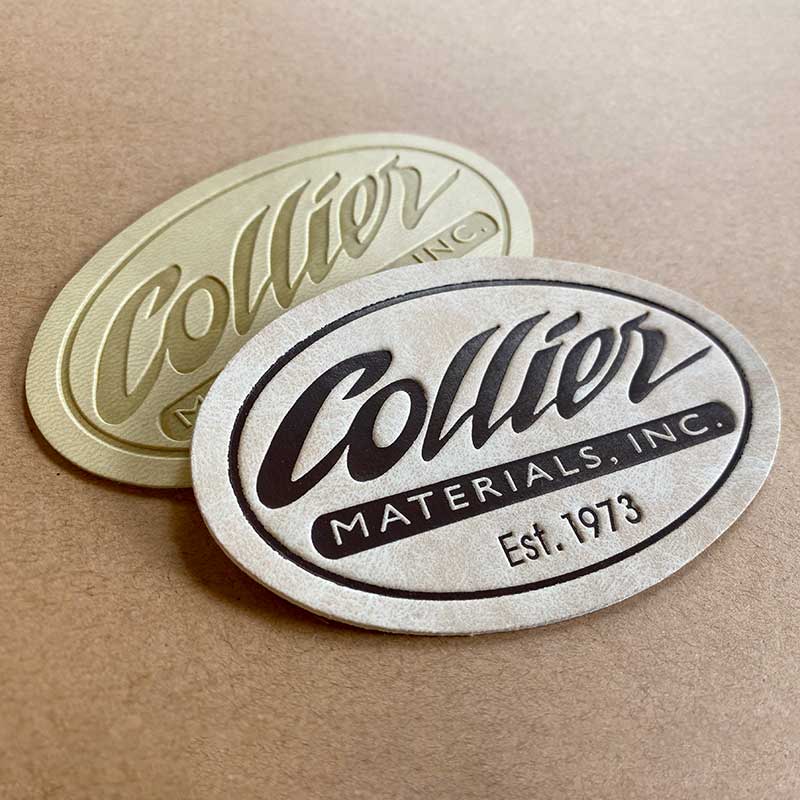
Quick answer: custom leather patches are cut leather or leather-look badges branded with your logo for hats, jackets, and labels. GetUSAPatches offers them in the USA from 5 pieces, with USD pricing, a free proof in 4–5 hours, and delivery in 5–7 days after approval.
What are custom leather patches?
Custom leather patches are shaped leather pieces marked with a logo by debossing, engraving, or printing. They do not use a traditional merrow thread border. The look is clean and apparel-label ready, which is why structured caps, beanies, and outerwear brands use them as a signature brand mark.
Best uses for leather patches
- Structured caps and snapbacks
- Beanies and winter hats
- Jackets and flannel shirts
- Brand labels on bags and soft goods
Backing that lasts on headwear
Sew-on is the most durable choice for finished caps. Iron-on can work on some fabrics that tolerate heat. Avoid expecting a merrow edge—leather is cut to shape. For removable IDs on tactical hats, PVC with Velcro is usually a better match than leather.
Leather vs embroidery on hats
Leather reads as a premium label. Embroidery reads as a classic raised logo. Many brands order both: leather for the flagship cap, embroidery for merch jackets. See also custom hat patches.
Ordering in the USA
5-piece minimum, mockup in 4–5 hours, 5–7 day delivery after approval, ships from Corona, CA. Check USD size charts while you plan quantity.
FAQ
Do leather patches have a merrow border?
No. Leather patches are cut to shape and do not use a stitched merrow edge.
What backing is best for leather hat patches?
Sew-on is the most durable option on finished caps and jackets.
What is the minimum for leather patches?
5 pieces, with a free digital proof before production.
Keep reading
- Embroidered vs Woven Patches: Which Should You Order?
- Iron-On vs Velcro vs Sew-On Patches: Backing Guide
- Custom PVC Patches in the USA: 2D vs 3D Rubber Guide