Best Patch Backing Options: Match the Patch to Its Use
The best backing depends on the fabric, how often the patch will be removed, and how the item is used. Compare common options before choosing.
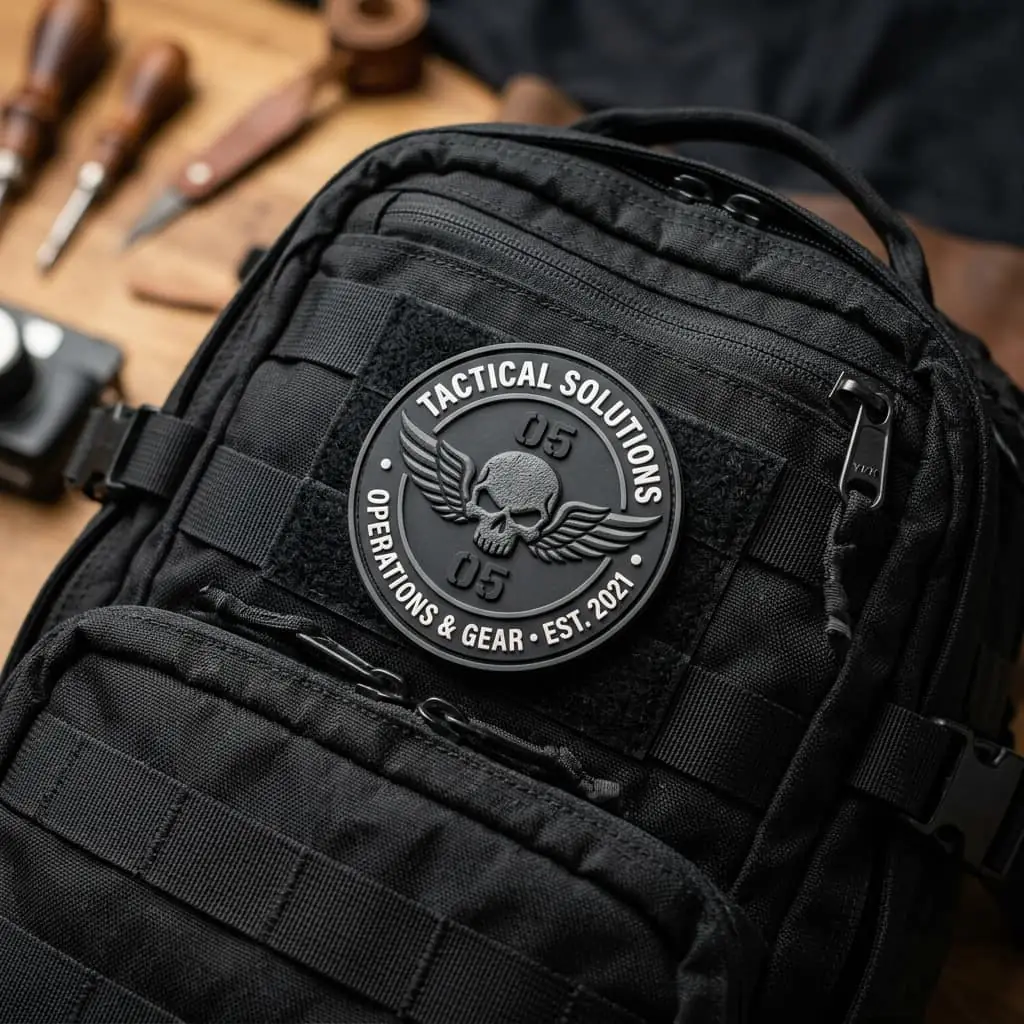
The best patch backing is the one that fits the garment and how the patch will be used. Choose sew-on for a lasting attachment on frequently worn items, iron-on for suitable fabrics when quick application matters, and hook-and-loop when the patch needs to come off or move. For bags, uniforms, and specialty gear, check the fabric and patch construction before choosing.
Compare the main backing choices
- Sew-on: permanent, dependable attachment for workwear, heavy jackets, and items that see regular washing
- Iron-on: heat-activated adhesive for fabrics that tolerate an iron or heat press; stitching can add support
- Hook-and-loop: removable hook and loop pieces for uniforms, tactical gear, and interchangeable identifiers
- Sticker: temporary adhesive for smooth surfaces and short-term display; not intended as a garment attachment for repeated washing
- Plastic backing: adds structure behind some embroidered or woven patches
- Safety pin: removable without sewing, useful for temporary wear or display
Choose backing by garment and use
- Daily work jacket or uniform: sew-on is often the most durable option; confirm the fabric can take stitching
- Team jersey or hoodie: iron-on may work when the care label allows heat; sew-on is a safer long-term finish for frequent washing
- Tactical vest or interchangeable gear: hook-and-loop makes patches easy to swap
- Cap or beanie: sew-on is common because small curved panels can be difficult to press evenly
- Backpack or equipment bag: sew-on or compatible hook-and-loop; check the material and lining before attaching
- Event handout or smooth hard good: sticker backing is convenient for temporary use
Check heat and material compatibility
Iron-on requires heat, pressure, and a fabric that can tolerate both. Delicate synthetics, coated materials, leather, and PVC may be damaged by heat. Follow the garment and patch instructions; when compatibility is uncertain, sew-on or another approved attachment is safer. A proof can confirm the patch details, but it cannot replace the garment maker’s care instructions.
Think about removal and reorders
If the patch needs to move between garments, hook-and-loop is designed for that job. If you want a fixed brand mark, sew-on avoids relying on adhesive after repeated wear. For a temporary placement, a sticker or pin may be enough. Decide whether the garment should remain intact after removal; stitching leaves needle holes, while iron-on adhesive may leave residue.
What to include in your order request
Share the garment or gear type, material if known, whether the patch should be removable, and how often it will be washed. Include the patch size and quantity. For a more direct comparison, read iron-on vs Velcro vs sew-on patches; if you have chosen sewing, see how to sew on a patch.
FAQ
What backing lasts the longest on a jacket?
Sew-on is a durable choice for jackets that are worn or washed often. Use thread and stitches suited to the garment fabric.
Can I use iron-on backing on any fabric?
No. Heat can damage some synthetics, coated fabrics, leather, and PVC. Check garment and patch instructions first.
What backing lets me change patches?
Hook-and-loop backing is designed for patches that need to be removed and swapped.
Keep reading
- Iron-On vs Velcro vs Sew-On Patches: Backing Guide
- Custom Patches for Fashion and Streetwear Brands
- How to Sew on a Patch: Hand and Machine Steps
- Custom Embroidered Patches
- Custom Woven Patches
- Custom PVC & 3D PVC Patches
- Custom Photo Printed Patches
- Custom Name Patches
- Custom Chenille Patches
- Custom Leather Patches
Patch types · USD pricing · Gallery · Blog · About us · Get a free custom patch quote · Seasonal patches · FAQ · Privacy policy · Terms of service